Pets and livestock
Toxic to dogs, cats and horses. The ASPCA names lobeline as the poison; signs include vomiting, diarrhea, drooling and an uneven heartbeat.3
Lobelia cardinalis
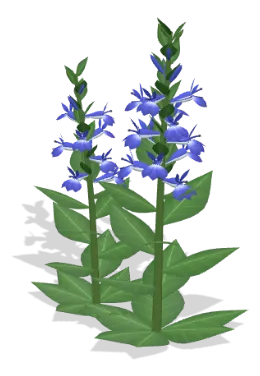
Cardinal flower is a native perennial with tall spikes of scarlet flowers from July to October. It is hardy in zones 3 to 9, grows 2 to 4 ft tall in full sun to part shade, and needs soil that never dries out.
Toxic to dogs, cats and horses.ASPCA
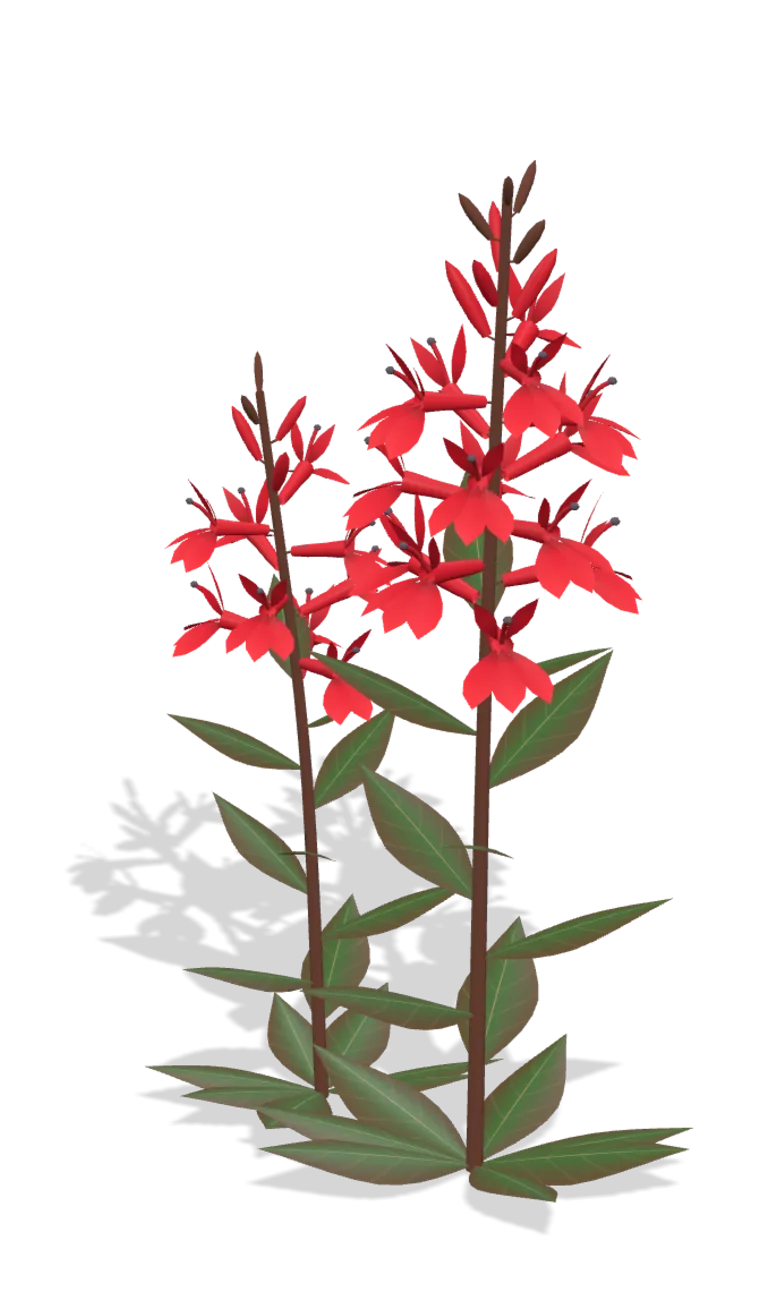 Drag to turn
Did you know cardinal flower isn't named for the bird?
The name points to the bright red robes worn by Roman Catholic cardinals.2 That red has a job. The flowers are long, narrow tubes that most insects can't work, so the plant depends on hummingbirds to carry its pollen.2 Its bloom lines up with the ruby-throated hummingbird's trip south.4
Give it the wettest spot you have. The soil should never dry out, and it shrugs off a brief flood.1
Fun fact: North Carolina has named it Wildflower of the Year three times, in 1982, 1983 and 2001.1
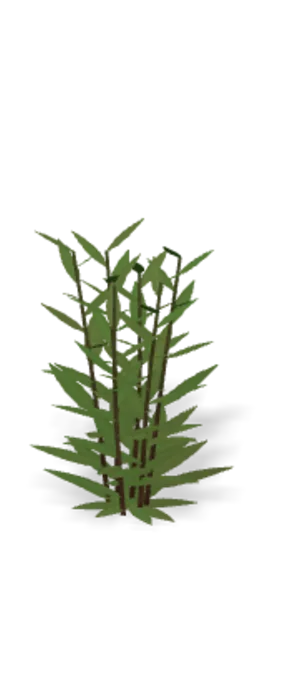
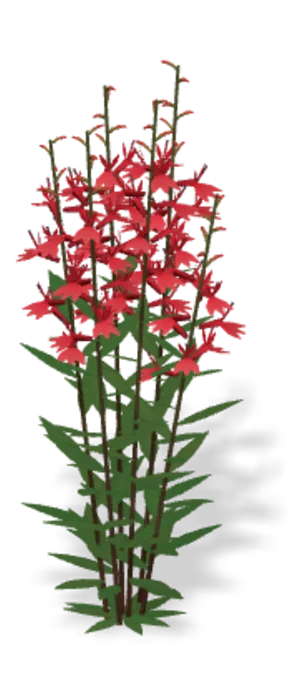
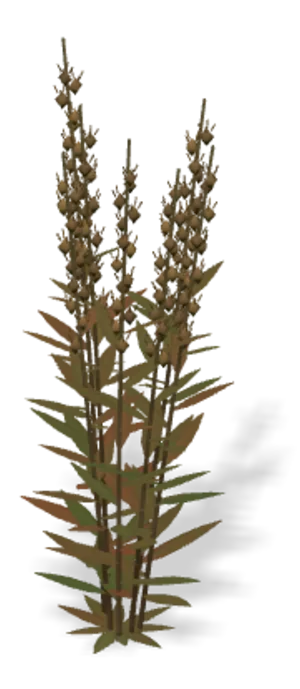

Toxic to dogs, cats and horses. The ASPCA names lobeline as the poison; signs include vomiting, diarrhea, drooling and an uneven heartbeat.3
Every part is poisonous, though NC State notes it is toxic only if large amounts are eaten. Don't use it as a home remedy.1
Each plant is often short-lived. It keeps going by seeding itself and by new rosettes, which you can divide every few years.45
Not a favourite of deer or rabbits.5 Slugs and snails may chew the leaves.1
Yes. The ASPCA lists cardinal flower as toxic to dogs, cats and horses.3
It is a perennial, but often a short-lived one. It keeps going by seeding itself and by new rosettes you can divide.45
It grows in full sun to part shade. In hot summers, afternoon shade helps.1
Draw your garden, drop it in at its real size, and watch it come up, bloom and go to seed through the year. Free, in your browser.
Facts checked against the sources above. The drawings are Canopy's own. Words drafted with AI and checked line by line against these sources.